
The Rise of Progressive Web Apps (PWAs) in 2026
The line between the web and the app store is blurring. Learn why PWAs are the future of software delivery and how to make your site installable.
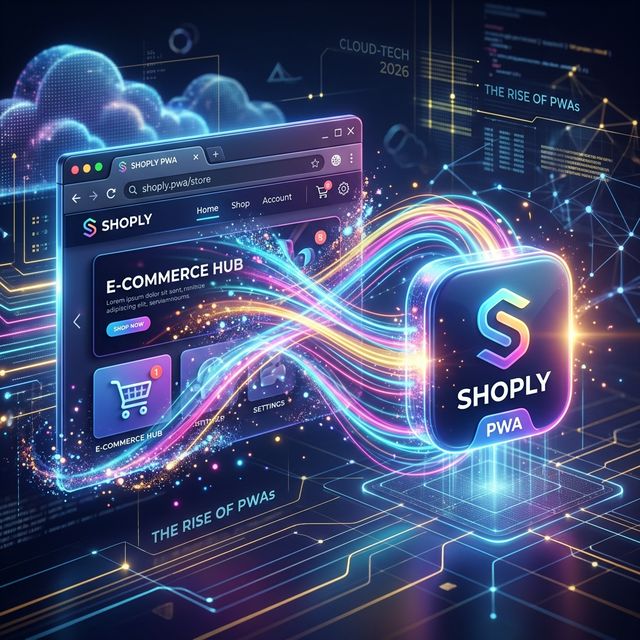
The Rise of Progressive Web Apps (PWAs) in 2026
The App Store model is facing its biggest challenge yet. In 2026, developers are increasingly turning to Progressive Web Apps (PWAs) to deliver high-performance, native-like experiences without the friction of a 30% commission or a week-long approval process.
What is a PWA?
A PWA is a website that uses modern web capabilities to provide an experience that feels like a native app. It can be installed on your home screen, work offline, and send push notifications.
Why 2026 is the Year of the PWA
- API Maturity: Web APIs now allow access to Bluetooth, File Systems, and advanced Vibration patterns that were previously locked to native code.
- Zero-Install Friction: Users are tired of downloading 200MB apps just to use them once. PWAs "install" in seconds because they are essentially just a cached version of a site.
- Performance: With the wide adoption of HTTP/3 and edge computing, PWAs often load faster than native apps that have to perform heavy startup checks.
Key Components of a PWA
- Manifest File: A JSON file that tells the browser about your app (name, icons, theme colors).
- Service Worker: A script that runs in the background, handling caching and offline functionality.
- HTTPS: Security is mandatory for all PWA features.
How to Get Started
If you're using a framework like Next.js, adding PWA support is as simple as installing next-pwa and configuring your next.config.js. Within minutes, your "Site" becomes an "App" that users can discover via a simple "Add to Home Screen" prompt.
The Verdict
The web is no longer just for "reading" content; it’s for "running" powerful software. By building a PWA in 2026, you reach your users on every device with a single codebase.